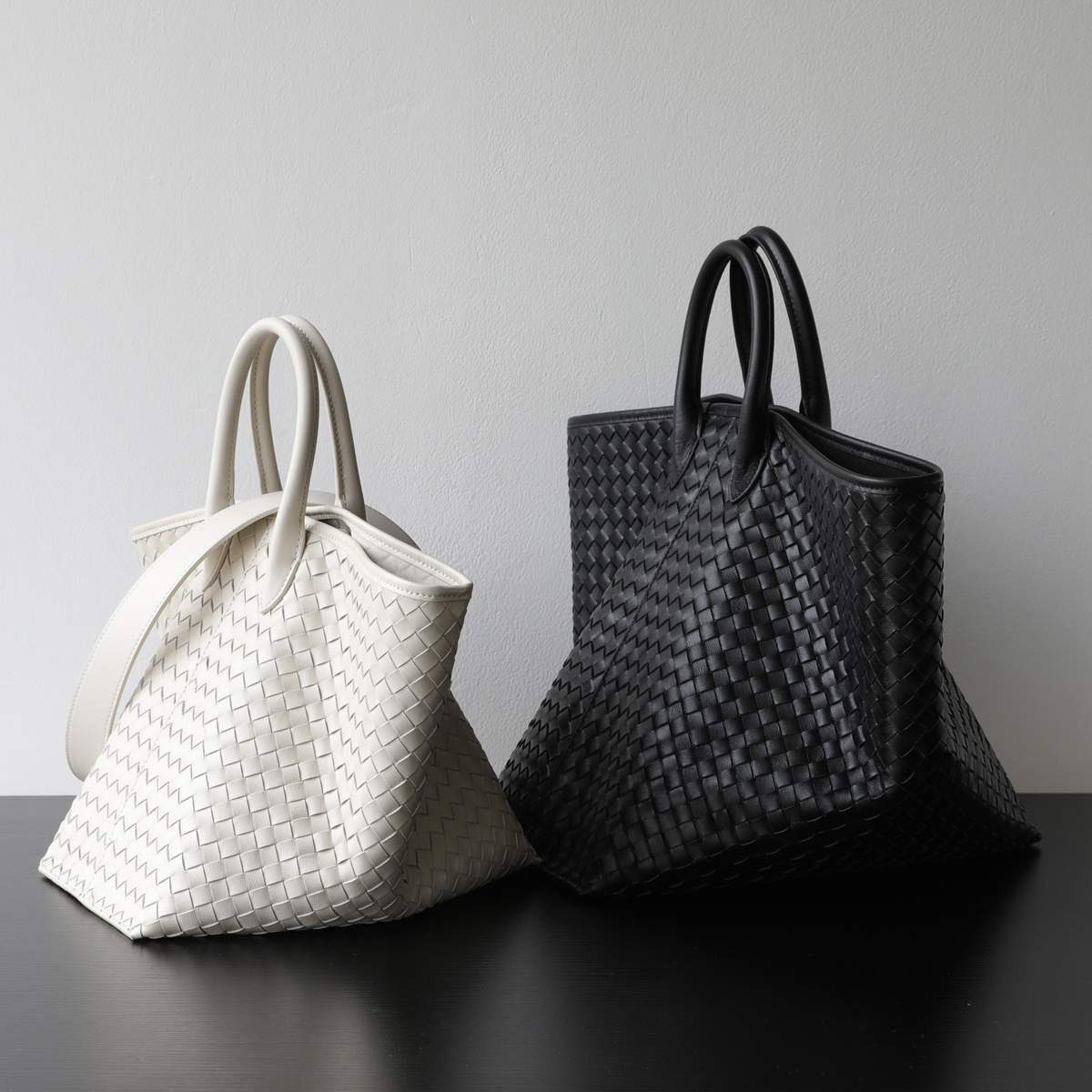
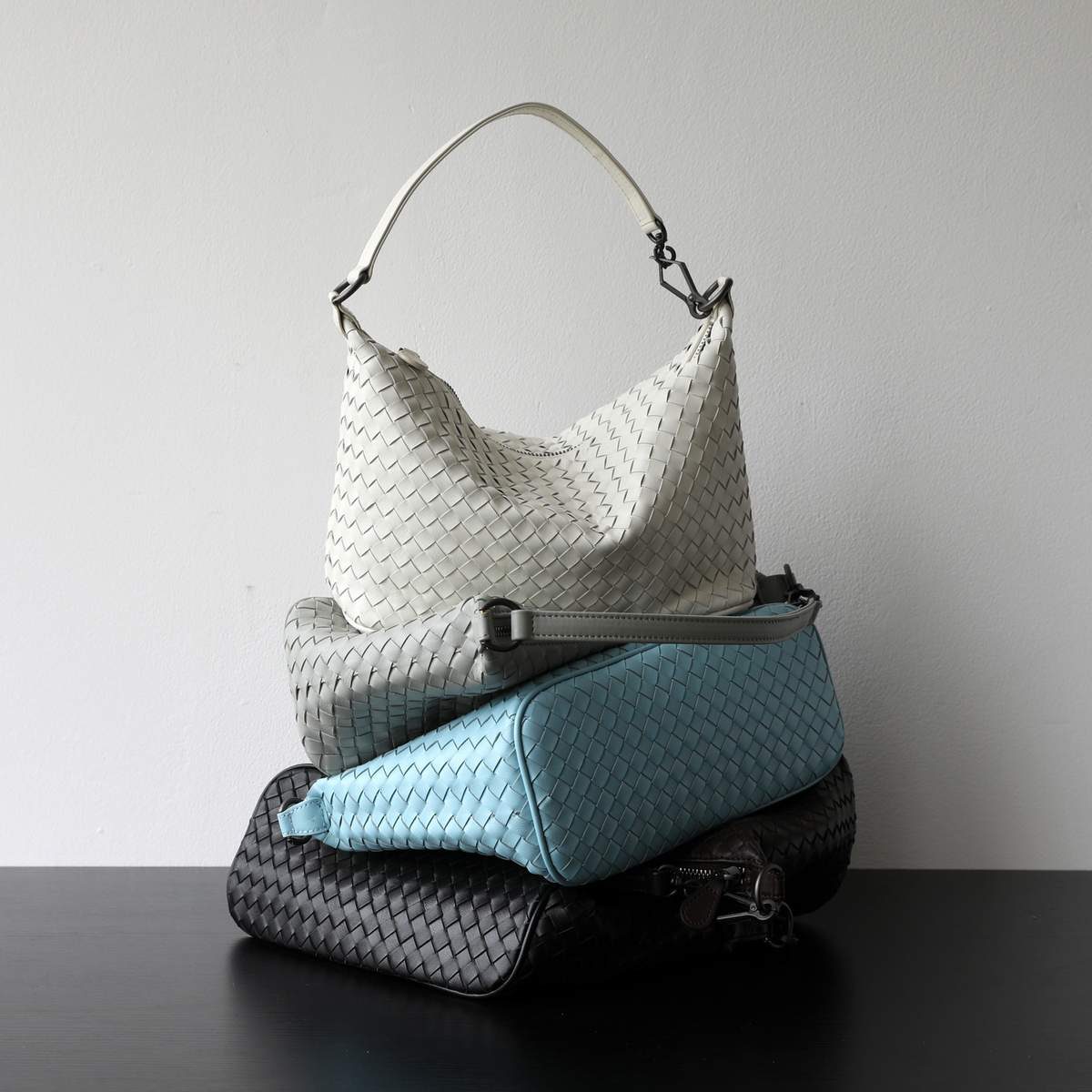
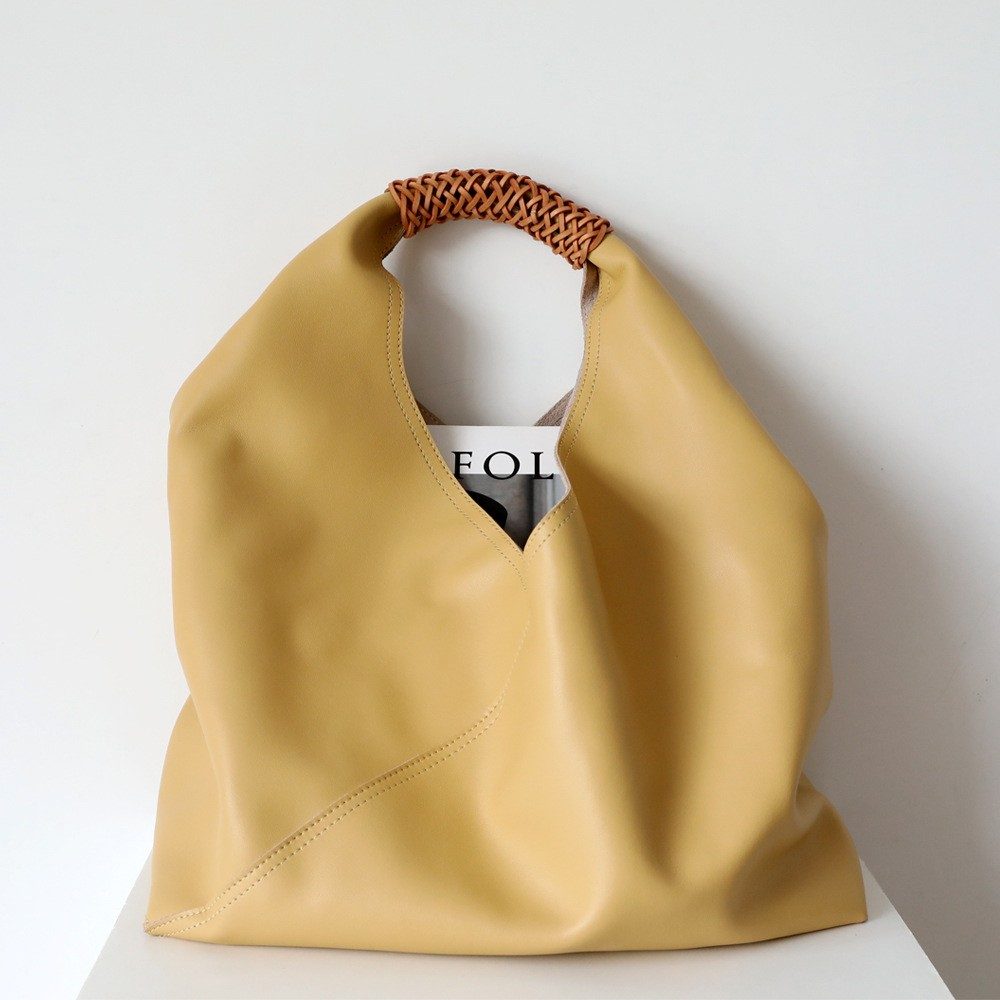
A truly sustainable bag is one that lasts for years, is made from lower-impact materials, and is produced under fair conditions — longevity matters more than any single "eco" label. The most sustainable handbag is the one you do not have to replace, so durability, repairability, and timeless design outweigh trend-driven purchases. This guide decodes the terms and helps you choose a bag you can feel good about carrying.
Why Longevity Beats Everything
Fast fashion bags are replaced within a season, and each replacement carries the footprint of making and shipping a new product. A well-made bag used for a decade can have a fraction of the per-year impact of several cheap ones. That is why JINMAN focuses on structured, repairable designs in leather and vegan leather built to outlast trends.
Understanding Vegan Leather
Vegan leather avoids animal hides, but not all vegan leather is equally green. Most is PU or PVC; PU is generally the lower-impact of the two.
- PU (polyurethane): Softer, more breathable, and less toxic to produce than PVC.
- PVC: Cheaper but releases more harmful chemicals in production and disposal — avoid if sustainability is the goal.
- Plant-based: Cactus, apple, pineapple, and mushroom leathers are emerging as genuinely lower-impact options worth watching.
For everyday care of these materials, our vegan leather cleaning guide keeps them looking new without harsh chemicals.
Recycled and Reclaimed Materials
Bags made from recycled PET (rPET), reclaimed leather scraps, or deadstock fabric give existing materials a second life and reduce virgin resource use. Look for clear labeling — "recycled" should state the percentage and source.
Real Leather and Sustainability
Real leather is animal-derived, but a full-grain leather bag that lasts decades can be a responsible choice when sourced responsibly and cared for well. Vegetable-tanned leather avoids the heavy metals used in chrome tanning. Our leather care guide helps you maximize a bag's lifespan.
How to Read "Eco" Claims
| Claim | What to check |
|---|---|
| "Vegan" | Free of animal products — but ask which material (PU vs PVC). |
| "Recycled" | Percentage and source of recycled content. |
| "Handmade" | Often means smaller batches and less waste, but verify labor fairness. |
| "Biodegradable" | Rare for coated bags; check the conditions required to break down. |
The Care Factor
A sustainable bag you maintain is a bag you keep. Simple habits extend life dramatically:
- Clean regularly and store properly (see our care guides).
- Repair straps and hardware early instead of replacing.
- Rotate bags so no single piece wears out fast.
Buying Less, Choosing Well
The single highest-impact decision is to buy fewer, better bags. A capsule of three — a tote, shoulder, and crossbody — covers work, travel, and weekends without a drawer of forgotten purchases.
Pro tip: Before checkout, ask "Will I still carry this in three years?" If the answer is yes, it is a sustainable purchase regardless of the material.
JINMAN's Approach
We design for longevity: structured shapes that stay in style, quality hardware that can be repaired, and both premium leather and vegan leather options so you can choose your impact. Free worldwide shipping in the price also means fewer separate trips and replacements for our US and European customers.
The Cost-Per-Wear Mindset
A simple way to judge any bag purchase: divide the price by the number of times you will use it. A $200 leather tote worn 400 times costs $0.50 per wear; a $40 fast-fashion bag worn 10 times costs $4 per wear and then lands in landfill. The "expensive" bag is often the cheaper, greener choice. This mindset naturally steers you toward quality and away from impulse buys.
End-of-Life: What Happens After
Even the best bag eventually retires. Extend its life by reselling or donating a clean, repaired bag; some communities refurbish leather goods. Avoid binning — leather and synthetics both persist in landfill. Choosing a repairable design from the start keeps these options open. Our care guides are written precisely so a bag stays in the reuse loop longer.
Common Sustainability Myths
- "Vegan always wins": Not if it is PVC or replaced yearly. Longevity can beat material.
- "Leather is always bad": A decades-long full-grain bag can out-green many disposables.
- "Recycled means perfect": Check the percentage; small amounts still help but are not a free pass.
- "One magic material exists": The greenest bag is the one you keep and care for.
A Simple Personal Rule
If you want one takeaway: before any bag purchase, imagine wearing it in three years. If you can, it is a sustainable choice regardless of the label. This single question cuts impulse buys, saves money, and reduces waste more than any material claim. Pair it with the care habits above and your collection stays small, loved, and low-impact.
Certifications Worth Knowing
A few labels help cut through greenwashing: GRS (Global Recycled Standard) for recycled content, Leather Working Group for responsibly sourced leather, and B Corp for overall social and environmental practice. None is perfect, but they are more useful than a vague "eco" tag. Pair any certification with the longevity test above, and you can shop with real confidence.
Final Thoughts
Sustainability in handbags is less about a magic material and more about buying once, caring well, and keeping it long. Understand the labels, pick durable construction, and let timeless design do the rest. Explore conscious choices across the JINMAN collection and carry a bag that matches your values.