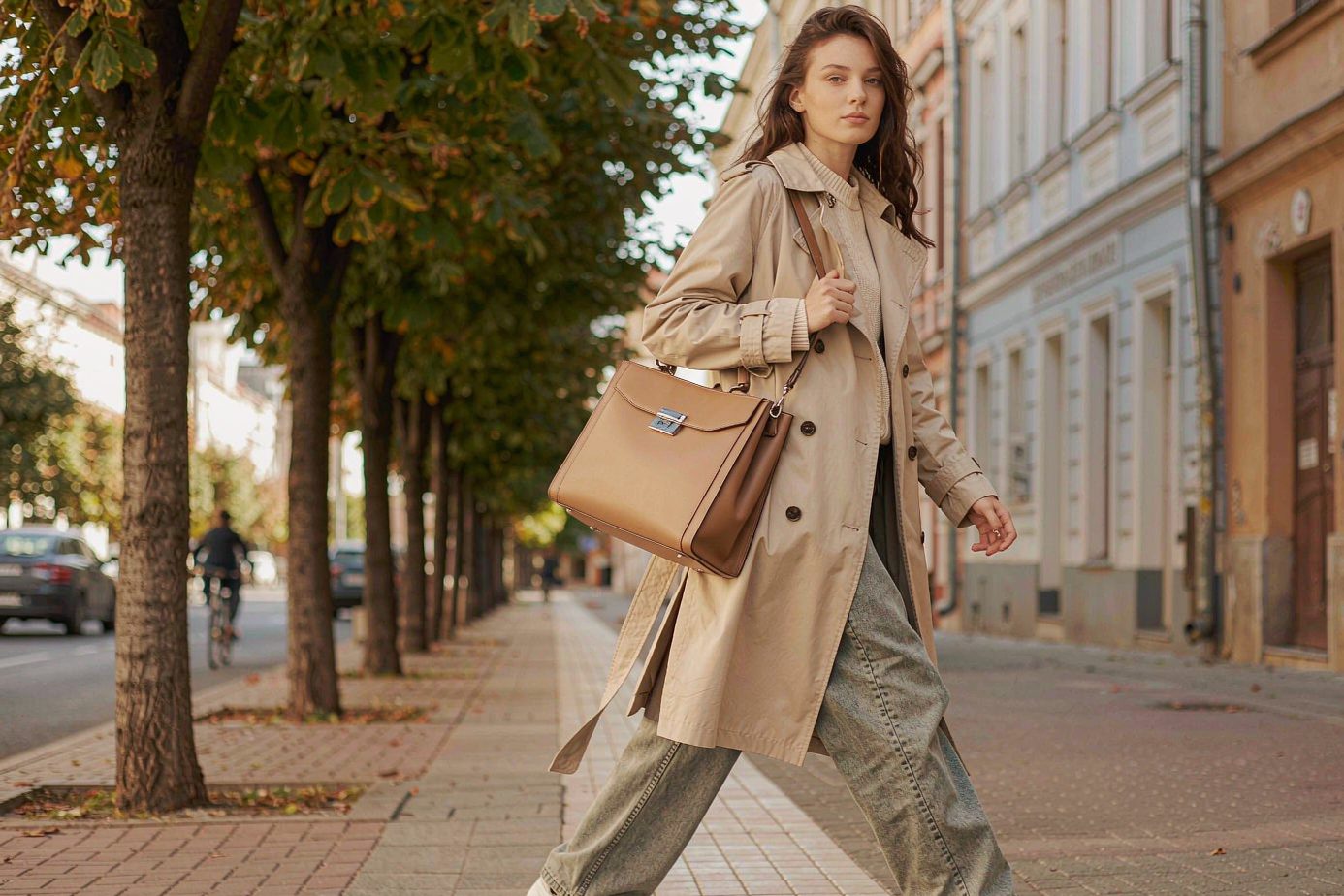
Good leather does not stay new — it earns patina: a soft sheen and deepening tone that makes a bag look more expensive with age. Bad aging is different: cracks, stains, and slack shape. The line between the two is a few habits. Here is how to land on the right side of it.
Feed It, Do Not Drown It
Condition every 4–6 weeks, not daily. A thin, even layer keeps leather supple so it bends instead of cracking. The pillow tote in top-grain cowhide develops the nicest sheen when fed regularly and wiped dry after rain.
Let Patina Form, Block Damage
Use the bag, carry it, let the handles darken from handling — that is the good kind. Block the bad kind: keep it off direct sun (fades), away from heat (cracks), and stuff it when stored so corners do not crease. The genuine leather tote holds its structure for years when stored filled.
Rotate, Do Not Marinate
Pro tip: a bag worn every single day ages faster than one rotated with a second piece. Two bags alternating easily outlast one worked to death.
Start with quality leather from the handbag collection and the patina will do the marketing for you — customers can see a bag that was loved, not abused.